




About The Bohemians
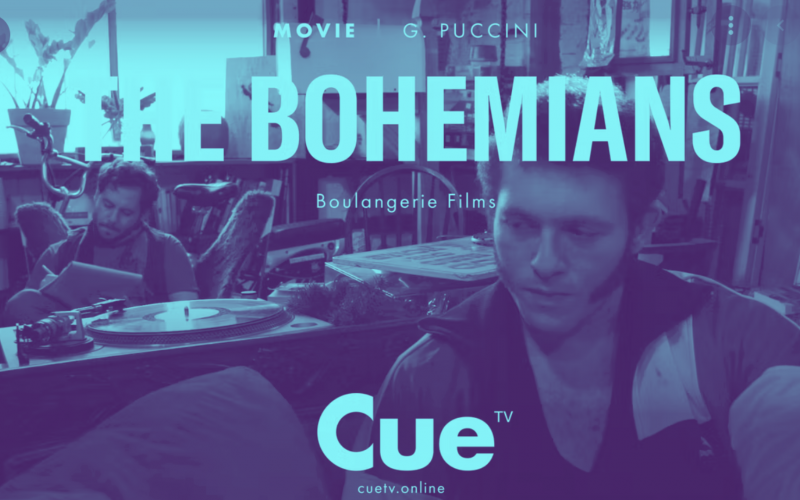
The Bohemians is a cinematic adaptation of Puccini’s acclaimed eternal love story, the famous opera ‘La Bohème’, shot on location in the world’s bohemian capital: Williamsburg, Brooklyn. For many years known for its abandoned industrial streets, today’s Williamsburg blooms with artists of all calibers and styles, making it the perfect setting for a contemporary and relevant adaptation of this musical masterpiece.
The Bohemians was directed by Spanish director José Luis R. Cortés, produced by Matthias Schmitt and Álvaro Domingo, son of the operatic superstar Plácido Domingo, who makes a cameo appearance in the film.
The musical production is led by renowned audio engineer and eighteen time Grammy Award Winner, Rafa Sardina.
About The Bohemians
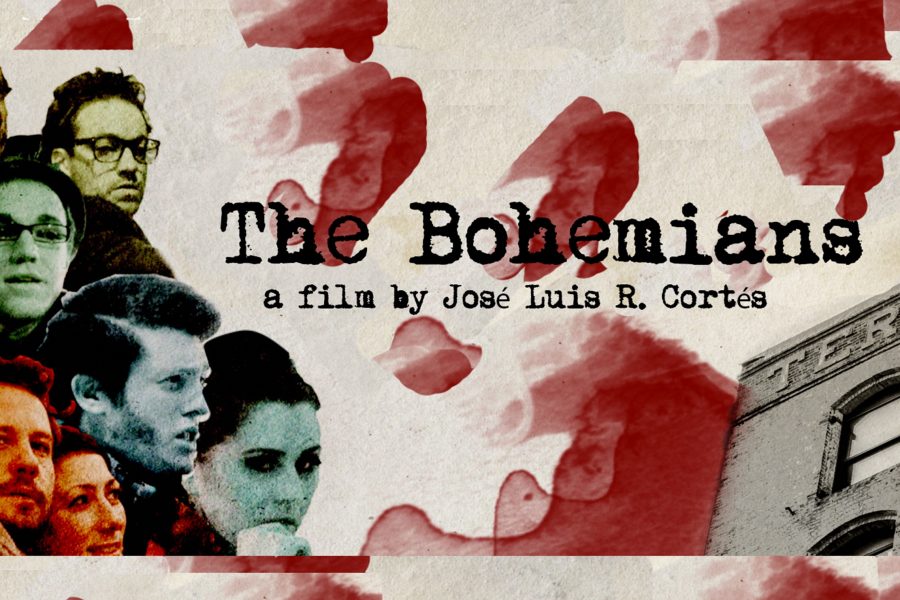
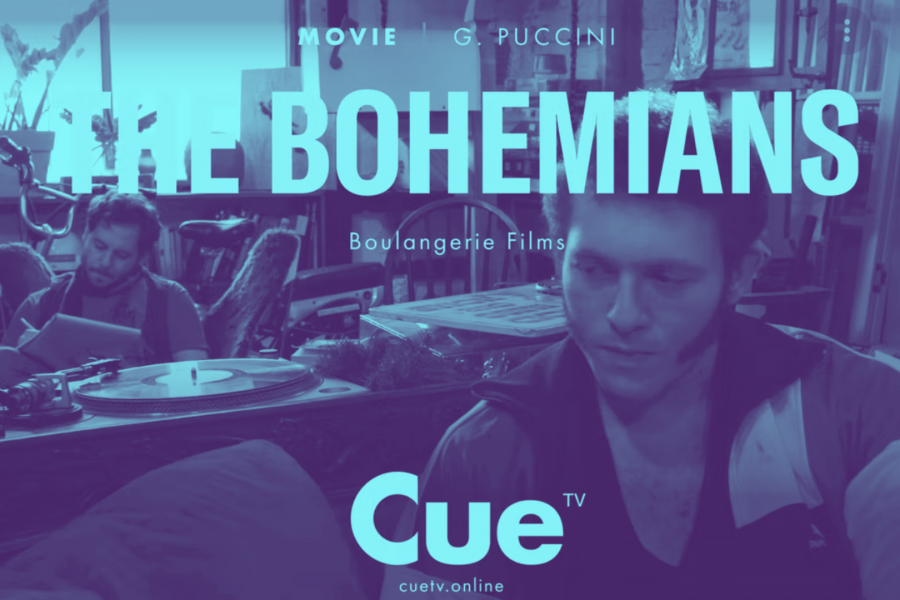
The Bohemians is a cinematic adaptation of Puccini’s acclaimed eternal love story, the famous opera ‘La Bohème’, shot on location in the world’s bohemian capital: Williamsburg, Brooklyn. For many years known for its abandoned industrial streets, today’s Williamsburg blooms with artists of all calibers and styles, making it the perfect setting for a contemporary and relevant adaptation of this musical masterpiece.
The Bohemians was directed by Spanish director José Luis R. Cortés, produced by Matthias Schmitt and Álvaro Domingo, son of the operatic superstar Plácido Domingo, who makes a cameo appearance in the film.
The musical production is led by renowned audio engineer and eighteen time Grammy Award Winner, Rafa Sardina.
Synopsis
On Christmas Eve Mimi, a beautiful fashion artist, is alone in her studio apartment. She finds herself listening to the noisy neighbors: a group of young struggling artists who are having a good time in the apartment downstairs. The noise from the unknown neighbors oers a welcome respite from her sickness and melancholic longing for her distant family.
The group of artists have scraped their little money together for a night out on the town. Despite their meager livelihood, and inability to meet their landlord’s demands, their spirits are festive.
Rodolfo, the writer, stayed behind to finish an article for a local magazine. As fate has it, a power outage strikes and Mimi decides to ask her neighbors for a candle. When Rodolfo opens the door they fall in love at first sight.
Months of roller coaster emotions follow for the couple, as Mimi’s health worsens while Rodolfo’s jealousy consumes him. At the same time, Marcello, the photographer of the group, struggles for his love for Musetta, a young attractive singer with too many admirers.
Jealousies, sickness, former lovers, one cold winter and many empty pockets all merge to separate the two sets of lovers.
Spring comes and Rodolfo and Marcello are focused on an upcoming art exhibit that could end their austerity. Their minds however, are occupied with thoughts of their former girlfriends and their friends try to distract them. One day, the mood turns somber. The lovers meet again…but will fate give them a second chance or will this be the end of their love story?
Synopsis
On Christmas Eve Mimi, a beautiful fashion artist, is alone in her studio apartment. She finds herself listening to the noisy neighbors: a group of young struggling artists who are having a good time in the apartment downstairs. The noise from the unknown neighbors oers a welcome respite from her sickness and melancholic longing for her distant family.
The group of artists have scraped their little money together for a night out on the town. Despite their meager livelihood, and inability to meet their landlord’s demands, their spirits are festive.
Rodolfo, the writer, stayed behind to finish an article for a local magazine. As fate has it, a power outage strikes and Mimi decides to ask her neighbors for a candle. When Rodolfo opens the door they fall in love at first sight.
Months of roller coaster emotions follow for the couple, as Mimi’s health worsens while Rodolfo’s jealousy consumes him. At the same time, Marcello, the photographer of the group, struggles for his love for Musetta, a young attractive singer with too many admirers.
Jealousies, sickness, former lovers, one cold winter and many empty pockets all merge to separate the two sets of lovers.
Spring comes and Rodolfo and Marcello are focused on an upcoming art exhibit that could end their austerity. Their minds however, are occupied with thoughts of their former girlfriends and their friends try to distract them. One day, the mood turns somber. The lovers meet again…but will fate give them a second chance or will this be the end of their love story?
Director’s Statement
Being fans of Puccini’s work for years, and sharing New York City’s artistic vibrancy, we were inspired to capture a film version of “La Boheme”. We wrote a script that respects the integrity of the original masterpiece but is set in contemporary times.
“The Bohemians” is unique for many reasons. It is set in today’s Williamsburg Brooklyn, casts opera singers as actors, has the Puccini score as the main musical body and spine of the piece, but combines it with today’s world elements to create a rich and multi-layered visual and musical landscape. Our version follows the libretto but also adds new scenes and characters to make it fully cinematic.
Making a film based on a well-known opera was challenging not just for the technical problems of such endeavor but also because we wanted to remove the stigma of opera being characterized as “difficult” for neophyte audiences.
Our approach is naturalistic, as opposed to the romantic style in which operas are usually portrayed. Our purpose with this film was to do a close up into this fantastic musical piece rather than just create a “modern” interpretation of an old play. Visually, the film was done with as much natural light as possible, All the scenes were filmed on location, no studios were used.
Audiences will be able to identify with what they are seeing and listening to, and will be engaged with the plot and its characters.
We embarked on this fabulous adventure believing this film will transcend, not only because it will be instrumental in bringing opera to younger and wider audiences in the world, but also because it is a great example of independent and multidisciplinary efforts to create avant-garde art.
Director’s Statement
Being fans of Puccini’s work for years, and sharing New York City’s artistic vibrancy, we were inspired to capture a film version of “La Boheme”. We wrote a script that respects the integrity of the original masterpiece but is set in contemporary times.
“The Bohemians” is unique for many reasons. It is set in today’s Williamsburg Brooklyn, casts opera singers as actors, has the Puccini score as the main musical body and spine of the piece, but combines it with today’s world elements to create a rich and multi-layered visual and musical landscape. Our version follows the libretto but also adds new scenes and characters to make it fully cinematic.
Making a film based on a well-known opera was challenging not just for the technical problems of such endeavor but also because we wanted to remove the stigma of opera being characterized as “difficult” for neophyte audiences.
Our approach is naturalistic, as opposed to the romantic style in which operas are usually portrayed. Our purpose with this film was to do a close up into this fantastic musical piece rather than just create a “modern” interpretation of an old play. Visually, the film was done with as much natural light as possible, All the scenes were filmed on location, no studios were used.
Audiences will be able to identify with what they are seeing and listening to, and will be engaged with the plot and its characters.
We embarked on this fabulous adventure believing this film will transcend, not only because it will be instrumental in bringing opera to younger and wider audiences in the world, but also because it is a great example of independent and multidisciplinary efforts to create avant-garde art.